

When I start a coaching session, I often ask, “What’s the tension point for you at work?” Almost every time, I hear a version of the same answer: “It’s this one person. We just don’t work well together.” Sometimes it’s a boss. Sometimes it’s a coworker.
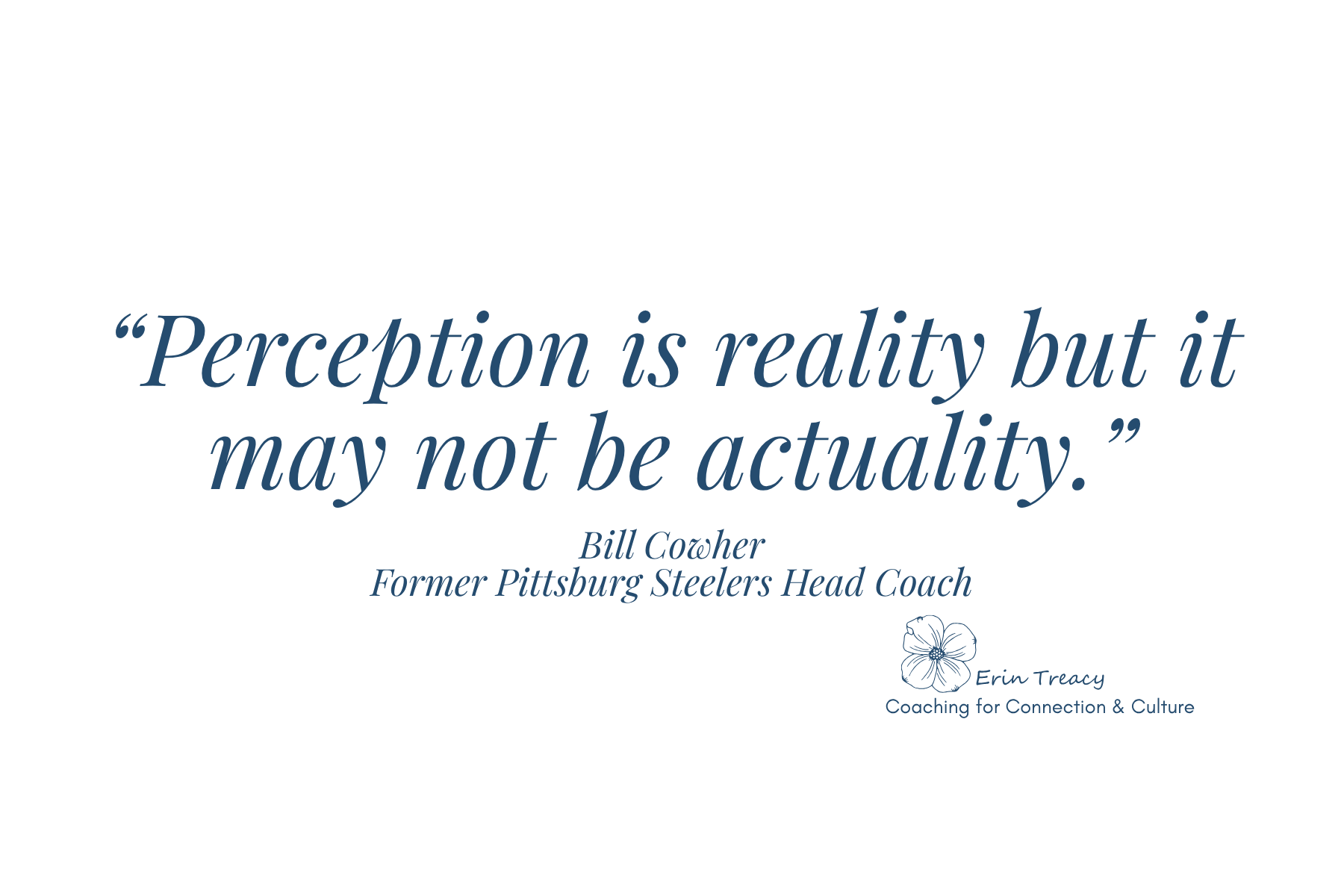
What’s interesting is when we unpack the tension, it rarely comes down to a good person vs bad person. It comes down to perception—how each person sees the situation, interprets it, and reacts to it. The key phrase here is simple but powerful: Perception is reality.
Living in Their Reality, Not Yours
When I owned restaurants, I heard plenty of feedback from customers. Some were completely right; others were way off base. I never bought into “the customer is always right” because they weren’t. But I did believe the customer’s perception was their reality. I had to start there if I wanted to solve the problem.
I remember a family who came in often—two sisters and their mom. They always ordered fries and onion rings. They also always sent them back, saying they were cold. In their world, that was true. By the time they got around to eating them, the sides were cold. In reality, they’d spent thirty minutes chatting before taking a bite.
The easy path would have been to say, “It’s their fault. They’re wrong.” Instead, we tried something new. We sent out the sandwiches and told them we’d make their sides fresh when they were ready. The next visit, no complaints. They got hot fries, and we got peace. We both learned something. They noticed how long they talked before eating, and we learned to see through their eyes first. We also learned it was a lot easier to adjust for peace than to argue about who’s right.
That’s the point: when you step into someone else’s perception, even briefly, you stop reacting and start leading.
What Happens When You Sit in the Other Person’s Seat
In the workplace, we tend to point across the table. They’re the problem. They should communicate better. They should adjust to me. But the real growth begins when we stop asking others to change and instead start changing how we approach them.
When you make that shift, three things happen:
-
The immediate tension eases. Understanding another person’s perspective doesn’t mean agreeing with it. It simply means you’re willing to meet them in their reality long enough to build a bridge. One simple step can lower defensiveness and open a path for productive conversation.
-
You start to lead differently. People who can see multiple perspectives naturally become more trusted and respected. They’re known as fair, calm under pressure, and solution-oriented. In fact, Gallup research shows employees are 62% less likely to feel burned out when they believe their manager genuinely understands their challenges. It starts with listening and perspective-taking.
-
The long-term payoff multiplies. When you make empathy a habit, culture shifts. Teams collaborate faster, leaders make better decisions, and turnover drops. A recent McKinsey report found companies emphasizing empathy and taking perspective in leadership saw 20% higher employee engagement and 30% better problem-solving outcomes.
This isn’t about letting others walk over you. It’s about realizing you can’t influence what you refuse to understand.
Breaking the “They’d Never Do That for Me” Mindset
When I share this idea, I sometimes hear, “Why should I be the one to adjust? They’d never do that for me.” Fair reaction, but here’s the truth: leadership doesn’t start with fairness; it starts with ownership.
When you choose to take the leadership path—to see through someone else’s lens—you’re not doing it for them. You’re doing it for you. You’re choosing peace over frustration. Growth over ego. Progress over being right.
Over time, this approach changes how others see you. The person you once had tension with might not turn into your best friend, but they’ll likely begin to soften. They’ll listen a little longer. They’ll match your tone instead of mirroring your frustration. And slowly, the relationship moves from friction to flow.
Even if they never change, you will. You’ll find yourself more adaptable, calmer, and better equipped to lead in any situation. That’s what growth feels like—lighter, clearer, and more confident in your ability to handle what comes next.
A Shift in Focus: From Finger-Pointing to Problem-Solving
In a world that rewards quick opinions and fast blame, it’s easy to say, “They need to fix themselves.” But lasting leadership is built in the quiet moments when you pause, listen, and decide to see through someone else’s eyes. It’s not weakness; it’s wisdom.
Perception is reality. When you start there, solutions come faster, relationships grow stronger, and you discover just how much influence you truly have.
The Power of Empathy in Leadership
Empathy is a powerful tool in leadership. It allows us to connect with others on a deeper level. When we understand the feelings and experiences of those around us, we can create a more inclusive and supportive environment. This is essential for building a thriving workplace culture.
Building Trust Through Understanding
Trust is the foundation of any successful team. When leaders demonstrate empathy, they build trust with their team members. This trust fosters open communication and collaboration. Team members feel safe to express their ideas and concerns, leading to a more innovative and productive workplace.
Enhancing Team Performance
Empathetic leadership not only improves relationships but also enhances overall team performance. When team members feel understood and valued, they are more engaged in their work. This engagement translates into higher productivity and better outcomes for the organization.
Creating a People-Focused Culture
A people-focused culture is one where individuals feel appreciated and supported. Leaders who prioritize empathy contribute to this culture. They recognize that each team member brings unique strengths and perspectives. By valuing these differences, leaders can create a more dynamic and effective team.
Call to Action
Try it this week. Sit in someone else’s seat for a moment and see what you learn about your own leadership. Growth starts with curiosity. Want to take it a step further? Book a free 1:1 Connection Session and let’s talk about how perception shapes your team’s culture. Visit coacherintreacy.com to learn more.
By embracing empathy and understanding, we can transform our workplaces into thriving environments where everyone can succeed. Let’s take this journey together!
