

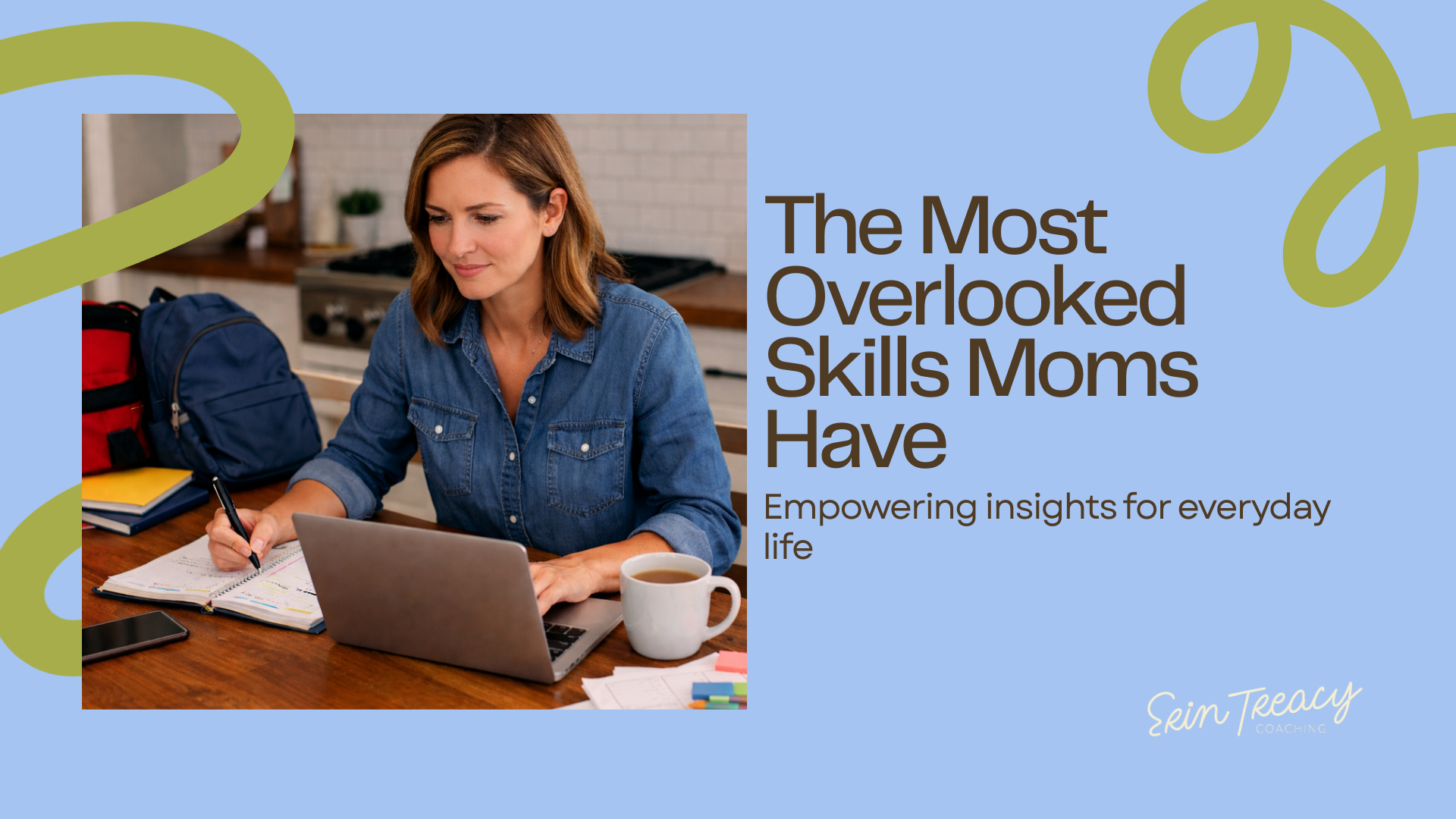
Many professional women carry a quiet concern.
They wonder if they are falling behind.
Not because they lack ambition or ability. The pressure comes from managing work, family responsibilities, and the emotional needs of everyone around them. Days are full and expectations rarely slow down.
After a while a question begins to surface.
If I am doing this much, why does it feel like I am not getting ahead?
Here is what many women do not realize.
The same responsibilities that make life feel overwhelming often build leadership skills at the same time.
Planning.
Decision making.
Communication.
Problem solving under pressure.
The challenge is not ability.
The challenge is recognizing those strengths and learning how to use them intentionally.
In this article you will see how everyday life builds leadership skills and how those strengths can support career growth.
Leadership Skills Many Moms Develop Through Everyday Life
Many women underestimate the leadership skills they build through everyday responsibilities. Managing schedules, navigating emotions, solving problems quickly, and keeping people aligned all strengthen abilities organizations value in strong leaders.
Five leadership skills many moms develop
Prioritization
Deciding what must happen now and what can wait while balancing limited time and energy
Recognizing emotions, responding thoughtfully, and helping others navigate difficult moments.
Problem solving
Finding solutions quickly when plans change or unexpected issues appear
Communication
Helping people understand expectations and next steps
Coordination and planning
Managing schedules, deadlines, and responsibilities so multiple moving parts stay organized
Why These Leadership Skills Matter for Career Growth
These abilities often remain invisible because they are developed outside traditional job roles. Yet they mirror many of the skills organizations look for when developing strong leaders.
Planning and coordination reflect project management.
Conflict resolution strengthens communication and emotional intelligence.
Problem solving builds strategic thinking.
When women begin recognizing these experiences as leadership skills, their confidence and visibility often grow.
Leadership development often begins with recognizing strengths that are already present.
A Real Example of Leadership in Everyday Life

School events, work meetings, sports schedules, appointments, deadlines, and family commitments all compete for attention.
Plans shift constantly.
Keeping everything aligned requires planning, communication, and decision making.
Many women describe this by saying they simply keep things organized.
In reality they are coordinating multiple responsibilities, managing timelines, and helping people stay aligned.
Those same skills appear in professional roles like project management, operations, and team leadership.
How to Start Using These Leadership Skills at Work
Recognition is the first step.
Once you begin seeing everyday responsibilities through a leadership lens, new opportunities become easier to identify.
Start by naming the skills clearly.
If you coordinate schedules, track responsibilities, and help people stay aligned, you are demonstrating planning and coordination skills.
Next, speak about these abilities with confidence.
Share real examples of problems you solved, systems you created, or processes you improved.
Finally, look for opportunities to apply these strengths at work.
Volunteer to help organize a project timeline.
Offer to coordinate a meeting schedule.
Create systems that improve communication within a team.
Small actions often build visibility quickly.
Five Leadership Skills Many Moms Already Use Every Day
Balancing multiple responsibilities and making decisions quickly.
Understanding emotions and responding thoughtfully.
Finding solutions when plans change.
Helping people stay informed and aligned.
Coordination
Managing schedules, timelines, and responsibilities across several moving parts.
What Many Moms Do Not Realize About Leadership
Many women assume leadership begins with a promotion.
In reality leadership often develops long before a title appears.
Responsibility, decision making, and supporting others build leadership ability over time.
The skills developed through everyday life often become the same abilities organizations look for in strong leaders.
Recognizing those strengths can change how you see your career.
Too many capable women underestimate the experience they already have.
Daily responsibilities build decision making ability, communication strength, and resilience.
These qualities shape strong leaders.
When you begin recognizing those strengths and using them intentionally, career momentum often follows.
If you want support identifying your leadership strengths and applying them to your career, leadership coaching can help clarify the next step.
FAQ: Frequently Asked Questions
Do parenting responsibilities build leadership skills?
Yes. Parenting often requires prioritization, emotional intelligence, communication, and problem solving. These abilities mirror the leadership skills organizations look for when developing managers and team leaders.
How can moms recognize leadership skills in everyday life?
Leadership often appears through planning responsibilities, managing conflict, coordinating schedules, and helping people stay aligned during stressful moments.
