

The phone buzzed before sunrise. Someone called off. Another text asked for an answer they could have found themselves. My steaming cup of Earl Grey sat cold while the day spun out before I even left the house.
By the time I reached work, chaos had already claimed me. The kitchen needed coverage. A delivery was late. Payroll loomed. The social post was behind. I was buried under a mountain of “right now” decisions, the chaos never stopped coming.
Most nights I didn’t touch my own work until everyone else had gone home. The quiet should have been peaceful, but instead it felt heavy. Missed dinners. Unanswered texts. The ache of realizing I was surviving instead of living.
Even on my days off, I never really clocked out. The calls and questions kept coming. The truth was simple. The more I tried to keep everything moving, the more it started to move me.
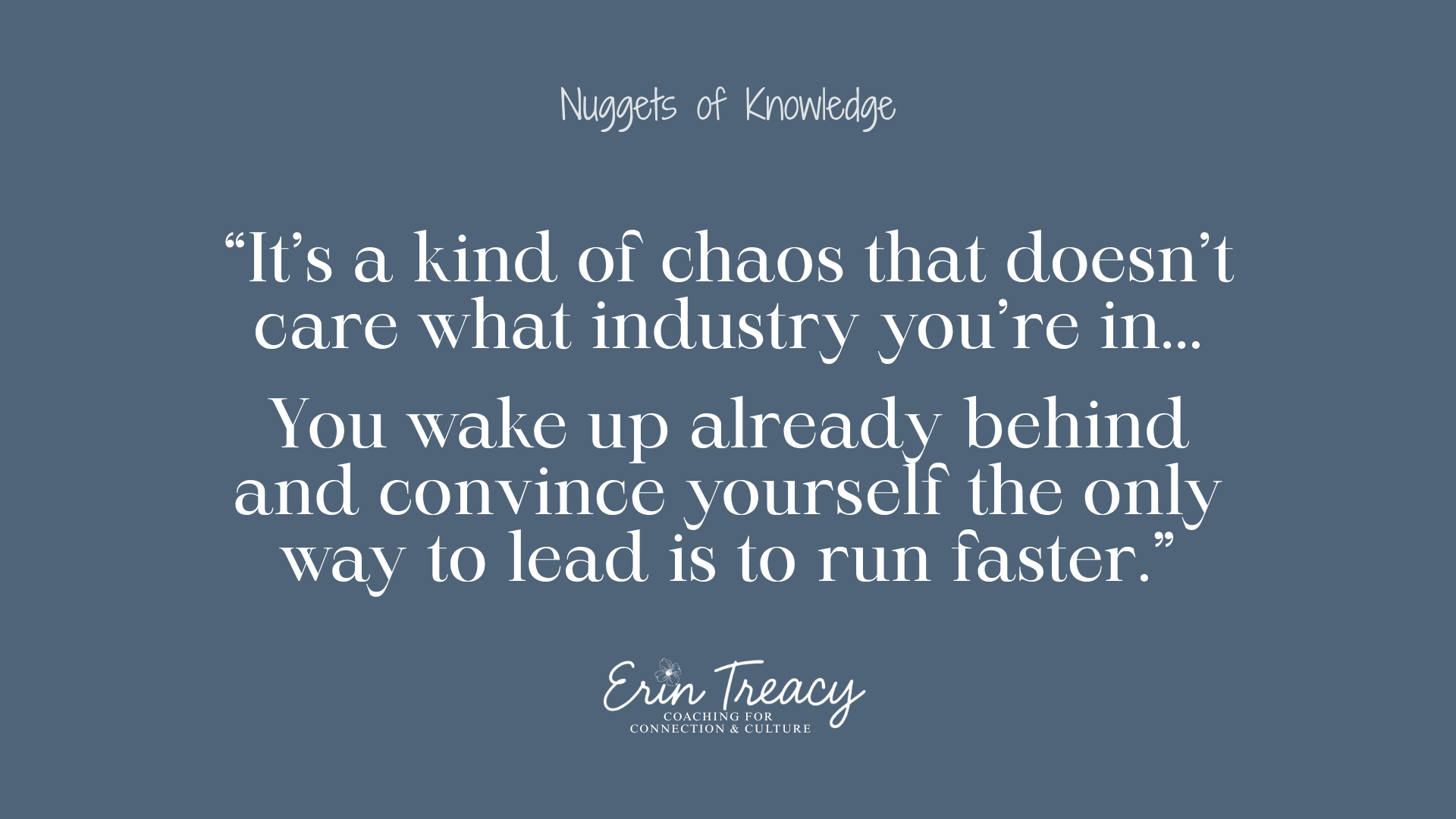
It’s a kind of chaos that doesn’t care what industry you’re in. Whether you run a restaurant, lead a nonprofit, or manage a team, the feeling is the same. You wake up already behind and convince yourself the only way to lead is to run faster.
I believed it too…until the day I realized I wasn’t leading anymore. I was just trying to hang on.
The Cost of Constant Chaos
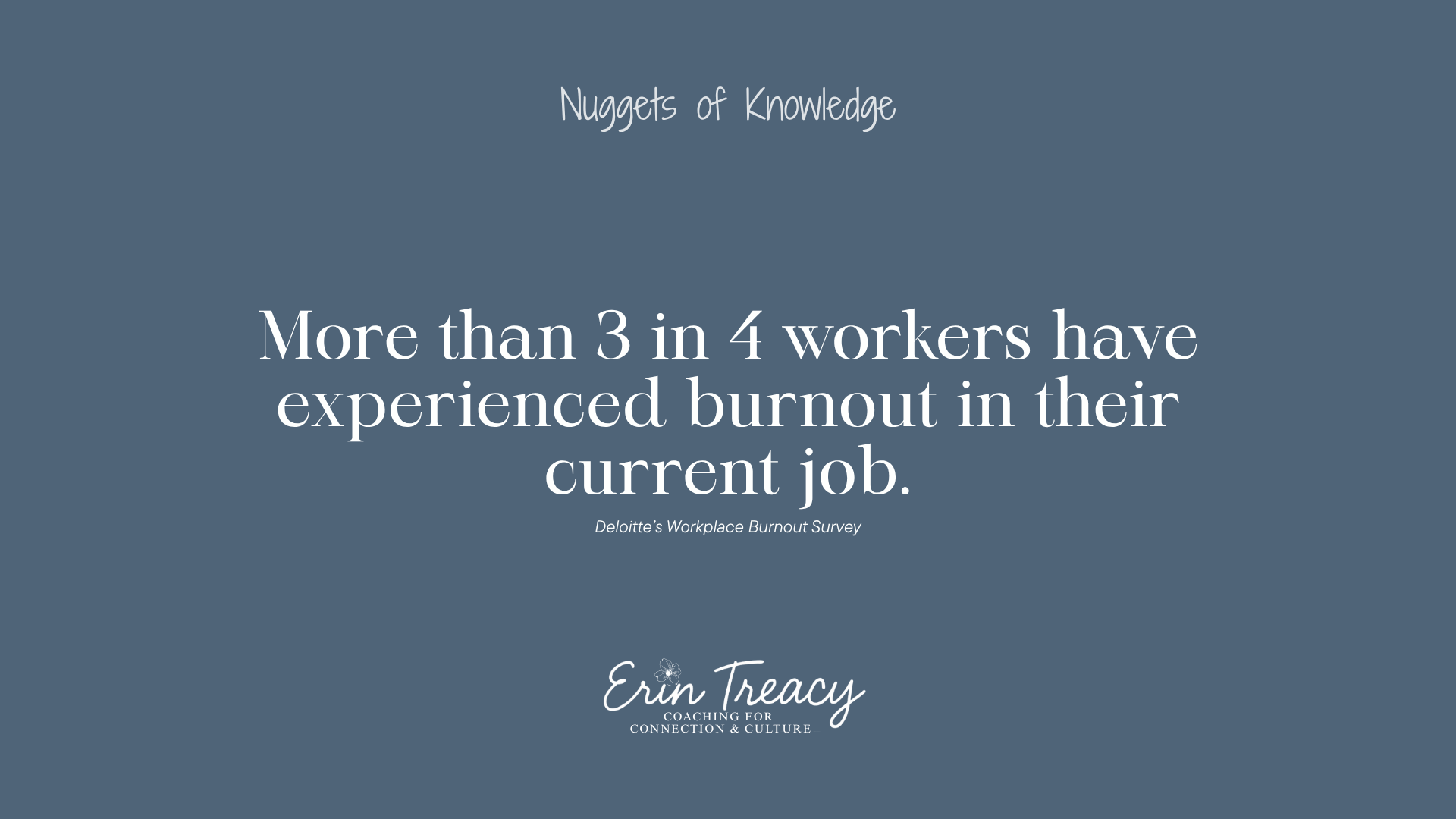
I wasn’t alone in this experience. Across every industry, leaders are stretched thin. The American Psychological Association reports 77 percent of employees say work stress affects their health and relationships. Deloitte found more than three in four workers have experienced burnout at their current job. It’s not just the long hours, it’s the mental noise that follows you home.
It’s the constant stream of “just one more thing.” The texts at 10 p.m. The emails you read before you’ve even opened your eyes. The sense you’re responsible for every problem, every answer, every decision. It’s the weight of leadership without the balance of life.
For me, burnout didn’t happen overnight. It built slowly, layered by responsibility, fueled by good intentions. I wanted to be dependable, to set a standard, to take care of my people. But what I didn’t see was how that very pattern of taking care of everyone else first, was breaking down the culture I was trying to build.
The truth is, when the leader is in survival mode, the team feels it. Chaos spreads. Communication breaks down. People start to pull away instead of pulling together.
Finding My Way Back
There wasn’t a quick fix. It came through hard reflection and even harder choices. I began asking myself questions. What if leadership wasn’t about doing more? What if it was about connecting more?
I began to slow down enough to listen to myself and to my team. I re-learned the value of setting clear expectations and actually supporting people to meet them. I stopped chasing perfection and started focusing on progress. I gave myself permission to pause.
Over time, I began to see patterns in what helped and what didn’t. I started coaching others through the same chaos I once lived in. I found purpose again.
From those lessons grew something new: a mindset and framework I now call Chaos to Culture. It’s built on three core beliefs.
-
Clarity creates calm. When people know where they are going, the noise begins to quiet.
-
Connection builds trust. Teams thrive when leaders make space for real conversations.
-
Culture sustains success. A healthy culture doesn’t depend on one person’s energy. It’s a shared rhythm that allows everyone to contribute.
The Path Forward
If you are reading this and nodding along, I want you to know this truth: chaos is not a requirement for success. You can lead without losing yourself. You can build teams that trust, not teams that chase.
The path from chaos to culture isn’t about control, it’s about connection. It’s learning how to quiet the noise long enough to remember what matters most: people. People create the culture, and they are key to sustaining the culture.
Helping leaders steady themselves, guide their teams through change, and rediscover the confidence they thought they lost somewhere between the calls, the schedules, and the sleepless nights. It’s the work I love most.
If you’ve experienced this or are experiencing it now, take this as your cue to pause. There’s a more effective way to lead, and I can attest to it from personal experience. In my
workshop, I’ll show how I transformed my approach, and you can do the same. Begin your journey today. Early Bird registration is available until November 15.
Because culture doesn’t happen by accident. It’s built one connection, one conversation, one leader at a time. — Erin Treacy
If you want support bringing this kind of clarity and calm to your team, you can learn more on the Personal Development Coaching page or schedule a Clarity Call.
