

Empowering vs Enabling: Could you be holding everyone back?
Managing a business can often feel like juggling various balls, with each one representing a different responsibility or task. But what happens when your team struggles to catch a ball on their own? As a former restaurant owner, I learned the hard way how vital it is to empower your team to make decisions independently.
Consider this scenario: it’s a busy night at the restaurant, the manager is on duty, and suddenly, there’s a shortage of bananas for banana splits. A simple solution could be a quick trip to the nearby store. Yet, instead of taking action, the manager calls me for guidance. In that moment, I felt frustrated. But reflecting later, it became clear: was I too enabling, making my team overly reliant on me?
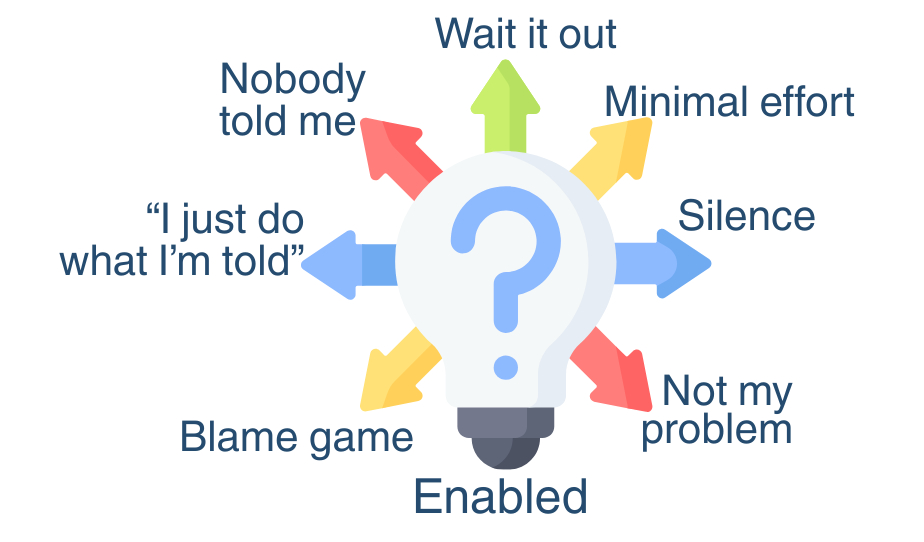
If your team can’t operate independently for even a few hours, it might be a sign that you’re enabling rather than empowering them. When they come to you with routine problems, it’s time to reassess your approach. Empowerment starts now.
Begin with training. When you’re with your team, resist the urge to provide direct answers. Instead, ask, “What do you think I would do?” Often, they already have a solution; they just need some validation.
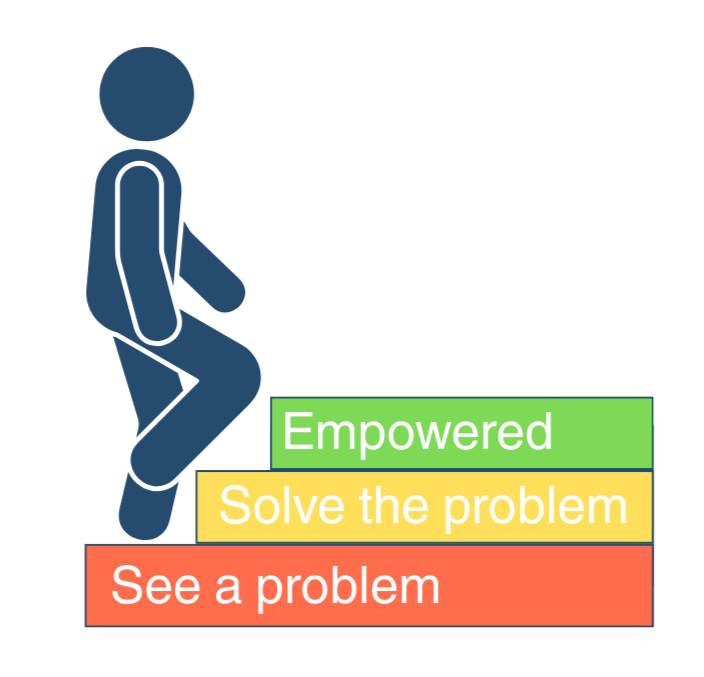
Empowerment also means allowing your team to fail. Just like learning to ride a bike, falling is part of the journey. After a few spills, riding becomes second nature. Each setback offers valuable lessons that contribute to their growth.
Enabling your team can lead to dependence, which fosters resentment and blame. In contrast, empowerment encourages accountability, enhances communication, and fosters collaboration.
Returning to the juggling analogy, empowerment means you’re not juggling all the balls alone. You have team members ready to share the load.
By trusting your team to make decisions, you not only reduce your stress but also cultivate a more capable and confident workforce. Remember, letting go is essential for growth—both for your business and for you and your team.
Let’s connect and talk more about how Erin Treacy Coaching can help you make the change to empowering your team. Schedule your free one on one today.
